Why AI Will Expose Bad Management Faster Than Ever
The broken processes were always there. AI just made them impossible to ignore.

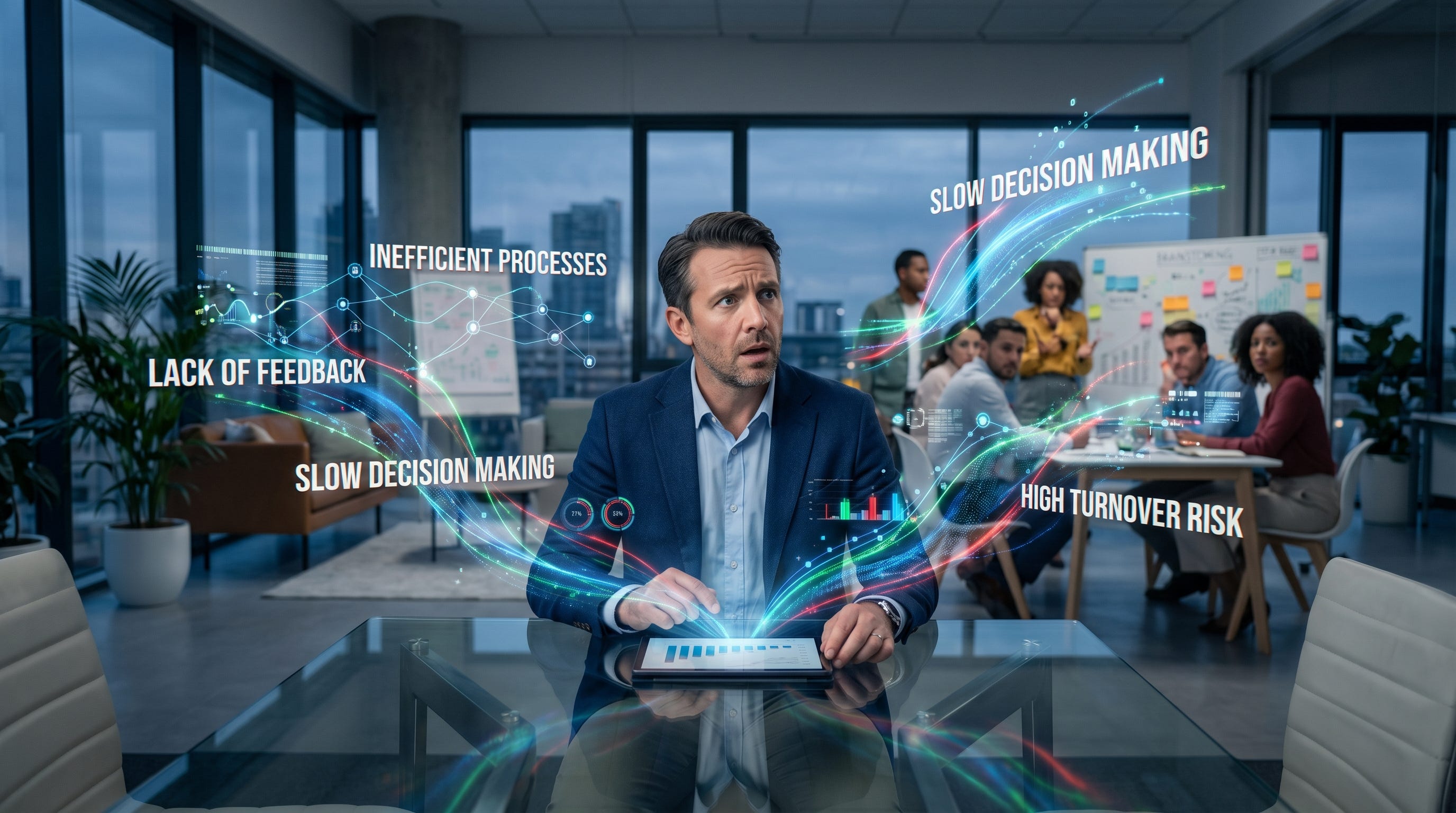
I have built processes nobody followed and written reports nobody read.
The first was a Jira ticket creation guide for a team new to Agile. Best practices, clear examples, the whole thing. I was proud of it. Within two weeks the team was back to creating tickets however they wanted. The guide sat in Confluence collecting digital dust.
The second was a monthly cloud cost reduction report I sent to senior leadership for six months. Detailed analysis, clear recommendations, measurable savings opportunities. Not one senior leader ever referenced it in a meeting. Not one action was taken from it. I kept sending it because sending it felt like doing something.
Neither of those things was management. They were the performance of management. And I knew it, even while I was doing it.
I have been thinking about those two things a lot lately. Because AI is about to make that distinction impossible to hide.
What automation surfaces that meetings don’t
A few months ago my team started automating a workflow that had been running manually for years. The process was documented. The steps were clear. The automation should have been straightforward.
It wasn’t. Halfway through the build we hit a wall. One step in the process kept breaking. After some investigation we found the reason. There was a manual task that belonged to one person, a small but load bearing step that had never been documented because it was just something she did. Nobody had thought to include it because nobody had thought of it as part of the process at all. It existed outside the official workflow, invisible until the automation tried to run without it.
The process looked complete on paper. It wasn’t. It had a hidden human dependency that only became visible when we tried to remove the human.
That is what AI does to management. It runs the process exactly as designed and breaks precisely where the design was wrong. It has no incentive to work around the gap the way a patient employee might. It just stops and waits for you to figure out what you missed.
The difference between managing outcomes and managing appearances
I have watched two kinds of leaders respond to AI and automation over the past few years.
The first kind barely notices the transition. Their management was already structural. They were tracking outcomes, not activity. Their processes existed because the work required them, not because having a process felt like leadership. When automation arrived it just handled the repeatable parts and freed their team for the harder work. Nothing broke because there was nothing hollow to expose.
The second kind has a harder time. The cover that busyness and process theater provided is gone. The weekly status report that demonstrated oversight without providing it. The standing meeting that signaled engagement without driving decisions. The documented process that nobody actually followed because the real process lived in someone’s head. AI doesn’t work around any of that. It runs what’s there and surfaces what isn’t.
The broken processes were always broken. The undocumented steps were always undocumented. The reports nobody read were always unread. AI didn’t create any of those problems. It just removed the ambient noise that made them easy to ignore.
What this requires of leaders now
The uncomfortable truth is that most organizations have more process theater than they realize. Not because their leaders are frauds. Because the system rewarded the appearance of management for long enough that the appearance became the habit.
AI breaks that habit by making outcomes the only thing that matters. You can’t automate a status update and call it oversight. You can’t generate a report nobody reads and call it governance. You can’t document a process with a hidden human dependency and call it complete.
What this requires is a willingness to look at your management practice the way automation looks at your processes. Literally. What would break if you removed the human judgment from it? What steps only exist because someone decided they looked like leadership? What reports are you sending that nobody is reading?
Those questions are uncomfortable because the answers reveal something most leaders would rather not see. But AI is going to surface them anyway. The only choice is whether you find them first or whether the automation does.
The question you should sit with
Pick the one process you own that hasn’t been touched in a year. Automate it tomorrow. When it breaks, the failure will tell you whether the problem is in the process or in the management that let it survive.